
Dry Eye Resource Centre
Over the years, I've found that many patients have been told they simply have "dry eyes", without ever being given an explanation for why their eyes are dry.
In reality, dry eye disease is often the result of an underlying condition.I've created this Resource Centre to answer the questions my patients ask every day in the clinic. I hope these articles help you better understand the diseases associated with dry eyes, the treatments available and the latest approaches to managing this common condition.
"Treat the cause, not just the symptoms."
— Dr Cheryl Lee
Diseases That Cause Dry Eyes
Meibomian Gland Dysfunction (MGD)
Blepharitis
Medical Conditions Associated with Dry Eyes
Rheumatoid Arthritis
Lupus
Thyroid Eye Disease
Diabetes
Situations That Can Make Dry Eyes Worse
Computer Use
Contact Lenses
LASIK
Cataract Surgery
Air Conditioning
Flying
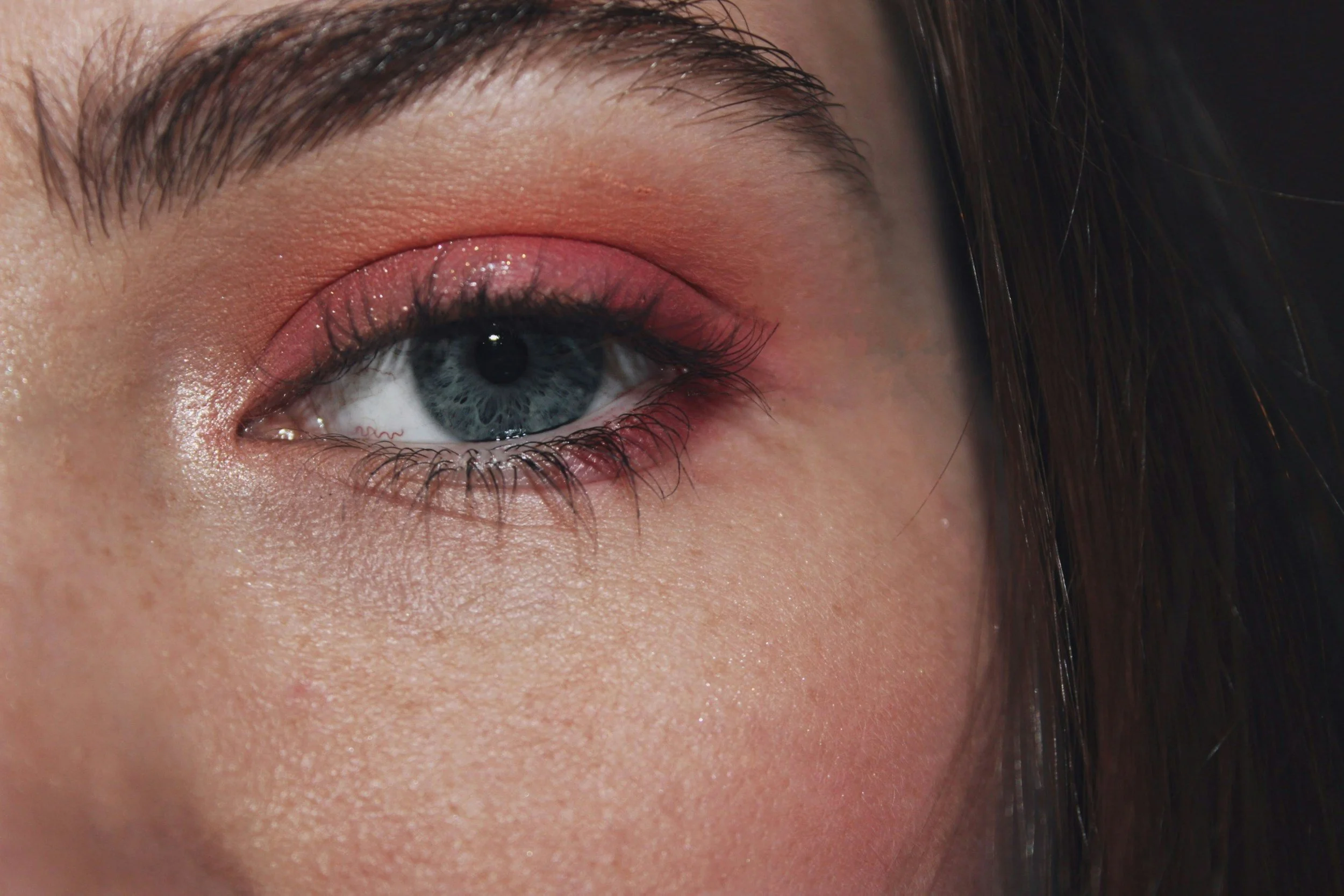
Ocular Rosacea and Dry Eyes
What is Ocular Rosacea?
Ocular rosacea is a chronic inflammatory condition that affects the eyes and eyelids. It is closely related to rosacea, a common skin condition that causes facial redness, flushing and visible blood vessels. In many people, eye symptoms may develop before skin changes become obvious, making the condition difficult to recognise.
Inflammation associated with ocular rosacea can affect the eyelids and meibomian glands, resulting in poor tear quality and chronic dry eye disease.
Why Does Ocular Rosacea Cause Dry Eyes?
The meibomian glands produce the oily layer of the tear film that helps prevent tears from evaporating too quickly.
In ocular rosacea, chronic inflammation can block or damage these glands, reducing the quality of the oil they produce. As a result, tears evaporate more rapidly, leaving the eyes dry, irritated and uncomfortable.
Many patients with ocular rosacea also develop Meibomian Gland Dysfunction (MGD) and Blepharitis, making dry eye symptoms more persistent.
Common Symptoms
People with ocular rosacea may experience:
Dry, gritty or burning eyes
Red or bloodshot eyes
Watery eyes
Light sensitivity
Blurred vision that improves after blinking
Red, swollen eyelids
Frequent styes or chalazia
Itchy eyelids
Difficulty wearing contact lenses
Some patients also notice:
Facial flushing
Redness across the cheeks and nose
Small visible blood vessels on the face
Sensitive skin
How Is It Diagnosed?
Dr Cheryl Lee will perform a comprehensive examination of your eyelids, meibomian glands and tear film to look for signs of ocular rosacea and associated dry eye disease.
Because ocular rosacea often affects both the skin and the eyes, the diagnosis is based on your symptoms together with the clinical findings during your eye examination. Some patients may also benefit from assessment by a dermatologist if facial rosacea is present.
Treatment
Although ocular rosacea is a long-term condition, the symptoms can usually be managed successfully with appropriate treatment.
Treatment may include:
Eyelid hygiene
Warm compresses
Preservative-free artificial tears
Management of Meibomian Gland Dysfunction
Prescription anti-inflammatory medications when appropriate
Advanced treatments such as Eye-Light®, Tixel® or BlephEx® to reduce eyelid inflammation and improve meibomian gland function
Lifestyle measures, such as avoiding known rosacea triggers and protecting the eyes from wind and excessive sun exposure, may also help reduce flare-ups.
Dr Cheryl Lee's Perspective
Many patients are surprised to learn that rosacea can affect the eyes as well as the skin.
Persistent dry eyes, recurrent styes or eyelid inflammation may be signs of ocular rosacea, even in patients with only mild facial redness. Identifying the condition early allows treatment to focus on controlling inflammation, improving tear quality and reducing the frequency of flare-ups.
Sjögren's Syndrome and Dry Eyes
What is Sjögren's Syndrome?
Sjögren's syndrome is a chronic autoimmune disease in which the body's immune system mistakenly attacks its own moisture-producing glands, particularly the tear and saliva glands. This reduces the production of tears and saliva, leading to persistent dry eyes and a dry mouth. It may occur on its own (primary Sjögren's syndrome) or alongside other autoimmune conditions such as rheumatoid arthritis or lupus.
Women are affected much more commonly than men, particularly after the age of 40.
Why Does Sjögren's Syndrome Cause Dry Eyes?
Healthy tears protect the surface of the eye, keep vision clear and help prevent infection.
In Sjögren's syndrome, inflammation damages the tear glands, reducing tear production. Without enough tears, the eyes become dry, irritated and uncomfortable.
Many patients with Sjögren's syndrome also have Meibomian Gland Dysfunction (MGD), meaning their tears evaporate more quickly because the protective oil layer is also affected. This combination often makes dry eye symptoms more severe.
Common Symptoms
People with Sjögren's syndrome may experience:
Persistent dry eyes
Burning or stinging
A gritty or sandy sensation
Red eyes
Blurred vision that improves after blinking
Sensitivity to light
Watery eyes despite feeling dry
Difficulty wearing contact lenses
Many people also notice a dry mouth, fatigue, joint pain or frequent dental problems.
How Is It Diagnosed?
If Sjögren's syndrome is suspected, Dr Cheryl Lee will perform a comprehensive dry eye assessment to evaluate tear production, tear quality, the health of the ocular surface and the function of the meibomian glands.
Because Sjögren's syndrome is a systemic autoimmune disease, blood tests can confirm the diagnosis.
Treatment
Although Sjögren's syndrome cannot currently be cured, there are many ways to improve comfort and protect the eyes.
Treatment may include:
Preservative-free artificial tears
Eyelid hygiene and warm compresses
Treatment of Meibomian Gland Dysfunction
Prescription anti-inflammatory eye drops when appropriate
Punctal plugs to reduce tear drainage
Advanced treatments such as Eye-Light®, Tixel® or BlephEx® if MGD or eyelid inflammation is also present
Because every patient is different, treatment is tailored to the underlying cause of the dry eyes rather than using the same approach for everyone.
Dr Cheryl Lee's Perspective
Many patients believe they simply have "dry eyes", when in fact an underlying medical condition may be contributing to their symptoms.
Identifying conditions such as Sjögren's syndrome is important because treating the underlying disease, together with appropriate dry eye management, often provides better long-term results than relying on artificial tears alone.
"Treat the cause, not just the symptoms."
Allergic Eye Disease and Dry Eyes
What is Allergic Eye Disease?
Allergic eye disease occurs when the eyes react to allergens such as pollen, dust mites, pet dander or mould. These allergens trigger an immune response that causes inflammation of the conjunctiva (the clear membrane covering the white of the eye), resulting in itchy, red and watery eyes.
Although allergies and dry eye disease are different conditions, they often occur together. Inflammation caused by allergies can disrupt the normal tear film and make dry eye symptoms worse. At the same time, people with dry eyes may become more sensitive to environmental allergens because the tear film is less able to protect the surface of the eye.
Why Does Allergic Eye Disease Cause Dry Eyes?
A healthy tear film helps wash away allergens and protects the surface of the eye.
During an allergic reaction, inflammation can reduce the stability of the tear film and affect the function of the meibomian glands, causing tears to evaporate more quickly. Frequent eye rubbing, a common response to itchy eyes, may further irritate the eyes and contribute to eyelid inflammation.
Some allergy medications, particularly oral antihistamines, may also reduce tear production and worsen dry eye symptoms in susceptible individuals.
Common Symptoms
People with allergic eye disease may experience:
Itchy eyes
Red eyes
Watery eyes
Burning or stinging
Swollen eyelids
Stringy mucus discharge
Light sensitivity
A gritty or dry sensation
Blurred vision that improves after blinking
Symptoms often worsen during certain seasons or after exposure to specific allergens.
How Is It Diagnosed?
Dr Cheryl Lee will examine the surface of your eyes, eyelids and tear film to determine whether your symptoms are caused by allergies, dry eye disease or a combination of both.
Many patients have more than one condition contributing to their symptoms. Identifying all the underlying causes allows treatment to be tailored more effectively.
Treatment
Successful treatment involves controlling both the allergic inflammation and the dry eye disease.
Treatment may include:
Get rid of allergens on the eyelashes by BlephEx® and Eyelight
Anti-allergy eye drops when appropriate
Cold compresses to relieve itching and swelling
Treatment of associated Meibomian Gland Dysfunction or Blepharitis
Advanced dry eye treatments such as Eye-Light®, Tixel® or BlephEx® where appropriate
Because every patient is different, treatment is personalised according to the underlying cause and severity of the symptoms.
Dr Cheryl Lee's Perspective
Many patients assume that red, itchy eyes are caused only by allergies, while others believe all irritation is due to dry eyes. In reality, the two conditions often occur together.
A careful examination helps determine whether allergies, dry eye disease or another eyelid condition is contributing to your symptoms. By treating the underlying causes rather than simply relieving the symptoms, we can often achieve better long-term comfort.
Treat the cause, not just the symptoms.
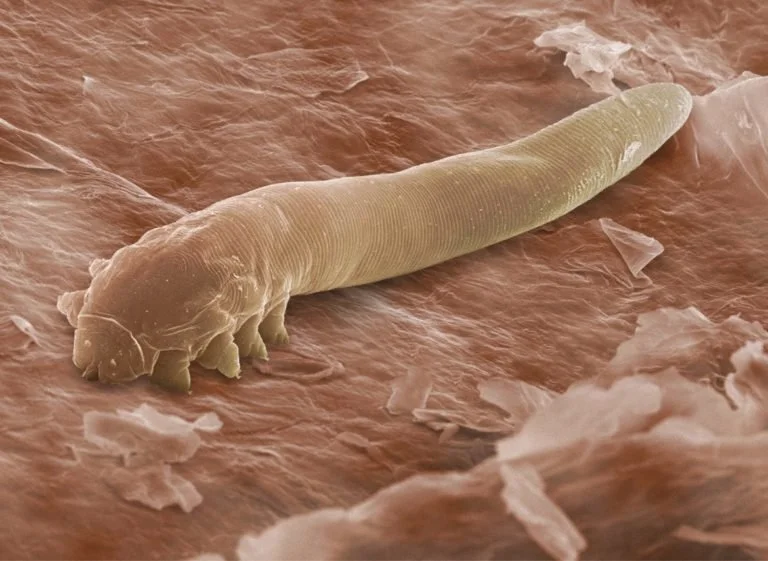
Demodex and Dry Eyes
What is Demodex?
Demodex are tiny microscopic mites that naturally live on human skin, particularly around the hair follicles and eyelashes. In small numbers they are usually harmless. However, when they multiply excessively, they can cause inflammation of the eyelids, leading to a condition known as Demodex blepharitis.
Demodex infestation is becoming increasingly recognised as an important cause of chronic eyelid irritation, blepharitis and dry eye disease, especially in adults and older individuals.
How Does Demodex Cause Dry Eyes?
Demodex mites live around the base of the eyelashes and within the oil-producing meibomian glands. They can trigger inflammation, block the meibomian glands and disrupt the normal tear film.
As a result, the oily layer of the tears becomes unstable, causing tears to evaporate more quickly. This leads to dry, irritated eyes and symptoms that may persist despite frequent use of artificial tears.
Demodex may also worsen existing Meibomian Gland Dysfunction (MGD) and Blepharitis, making dry eye disease more difficult to control.
Common Symptoms
People with Demodex blepharitis may experience:
Itchy eyelids, especially on waking
Burning or stinging eyes
Dry or gritty eyes
Red eyelid margins
Frequent styes or chalazia
Crusting around the eyelashes
Blurred vision that improves after blinking
Irritated or watery eyes
Loss or misdirected eyelashes
One of the characteristic signs of Demodex is the presence of cylindrical dandruff, a sleeve-like deposit that forms around the base of the eyelashes.
How Is It Diagnosed?
During your examination, Dr Cheryl Lee will carefully examine your eyelids and eyelashes using a slit lamp microscope. The presence of cylindrical dandruff around the eyelashes is a strong indication of Demodex infestation.
Your tear film, meibomian glands and eyelids will also be assessed to determine whether Demodex is contributing to your dry eye symptoms.
Treatment
Successful treatment aims to reduce the number of mites, improve eyelid hygiene and restore the health of the eyelids and tear film.
Treatment may include:
Careful eyelid hygiene
Special eyelid cleansers recommended by your eye specialist
Treatment for associated Meibomian Gland Dysfunction
BlephEx® to remove debris and biofilm from the eyelid margins
Eye-Light® or Tixel® where appropriate to improve eyelid and meibomian gland health
Prescription treatment when clinically indicated
Because Demodex is only one possible cause of dry eye disease, treatment is personalised according to each patient's underlying condition.
Dr Cheryl Lee's Perspective
Many patients with long-standing dry eyes or recurrent blepharitis are surprised to learn that microscopic mites may be contributing to their symptoms.
Fortunately, Demodex can usually be identified during a comprehensive eyelid examination. Once recognised, targeted treatment often improves eyelid health and helps reduce ongoing irritation, allowing the tear film to function more effectively.
Treat the cause, not just the symptoms.
Roaccutane (Isotretinoin) and Dry Eyes
What is Roaccutane?
Roaccutane® (isotretinoin) is a prescription medication commonly used to treat severe acne. It is highly effective because it reduces the size and activity of the oil-producing glands in the skin.
However, the medication can also affect the meibomian glands in the eyelids. These glands produce the oily layer of the tear film that prevents tears from evaporating too quickly. As a result, many people taking Roaccutane develop dry eye symptoms during treatment.
Why Does Roaccutane Cause Dry Eyes?
The meibomian glands are specialised oil glands located along the eyelid margins. Their role is to produce the lipid layer of the tear film, which keeps the eyes lubricated and slows tear evaporation.
Roaccutane reduces oil production throughout the body, including in the meibomian glands. With less oil available, tears evaporate more quickly, causing evaporative dry eye disease.
Some people notice only mild irritation, while others develop significant dry eye symptoms, particularly if they already have Meibomian Gland Dysfunction (MGD) or spend long hours using digital devices.
Common Symptoms
People taking Roaccutane may experience:
Dry or gritty eyes
Burning or stinging
Red eyes
Blurred vision that improves after blinking
Watery eyes despite feeling dry
Increased sensitivity to light
Eye fatigue
Difficulty wearing contact lenses
Symptoms may begin within a few weeks of starting treatment and often improve after the medication is stopped, although some patients may continue to experience dry eyes for longer.
How Is It Diagnosed?
If you develop dry eye symptoms while taking Roaccutane, Dr Cheryl Lee will assess your tear film, meibomian glands and ocular surface to determine the severity of the dryness and identify any underlying conditions that may be contributing to your symptoms.
Understanding whether the dryness is caused solely by the medication or whether there is pre-existing Meibomian Gland Dysfunction helps guide the most appropriate treatment.
Treatment
Most patients can continue taking Roaccutane while managing their dry eye symptoms.
Treatment may include:
Preservative-free artificial tears
Lubricating eye ointment at night if required
Warm compresses when appropriate
Management of Meibomian Gland Dysfunction
Temporary reduction in contact lens wear if discomfort develops
Advanced dry eye treatments such as Eye-Light® or Tixel® if clinically appropriate
Your treatment plan will be personalised according to the severity of your symptoms and the health of your meibomian glands.
Dr Cheryl Lee's Perspective
Roaccutane is an excellent treatment for severe acne, but it can significantly affect the quality of the tear film.
Most patients experience only temporary symptoms, and with early recognition and appropriate management, dry eye discomfort can usually be controlled without stopping the medication. For patients with pre-existing dry eye disease, identifying and treating underlying Meibomian Gland Dysfunction before or during treatment may help reduce symptoms.
Treat the cause, not just the symptoms-Dr Cheryl Lee
Menopause and dry eyes
Why Does Menopause Cause Dry Eyes?
Healthy tears depend on a delicate balance of water, oil and mucus.
During menopause, declining levels of oestrogen and androgens can affect the function of the meibomian glands, which produce the oily layer of the tear film. When less oil is produced, tears evaporate more quickly, leading to evaporative dry eye disease.
Hormonal changes may also reduce tear production and increase inflammation on the surface of the eye. These changes often occur gradually, so many women are unaware that menopause is contributing to their symptoms.
Common Symptoms
Women experiencing menopause-related dry eyes may notice:
Dry or gritty eyes
Burning or stinging
Fluctuating or blurred vision
Red eyes
Watery eyes despite feeling dry
Increased sensitivity to light
Eye fatigue, especially when reading or using digital devices
Difficulty wearing contact lenses
Symptoms may vary from day to day and are often worse in air-conditioned environments or after prolonged screen use.
How Is It Diagnosed?
Dr Cheryl Lee will assess your tear film, meibomian glands and ocular surface to determine the underlying cause of your dry eyes.
Because menopause is only one factor that can contribute to dry eye disease, your examination also looks for other conditions such as Meibomian Gland Dysfunction (MGD), blepharitis or ocular rosacea, which commonly occur alongside hormonal dry eye.
Treatment
Treatment is tailored to the severity of your symptoms and the health of your tear film.
Treatment may include:
Preservative-free artificial tears
Warm compresses and eyelid hygiene
Management of Meibomian Gland Dysfunction
Prescription anti-inflammatory eye drops when appropriate
Omega-3 supplements in selected patients
Advanced treatments such as Eye-Light®, Tixel® or BlephEx® where indicated
Simple lifestyle measures, including staying well hydrated, taking regular breaks from digital screens and avoiding direct airflow from fans or air conditioning, may also help reduce symptoms.
Dr Cheryl Lee's Perspective
Many women assume that dry eyes are simply an inevitable part of ageing. In reality, hormonal changes during menopause can have a significant effect on the tear film and meibomian glands.
By identifying the underlying cause of your symptoms, treatment can be personalised to improve comfort and protect the long-term health of your eyes. Many women experience significant improvement with the right combination of therapies and lifestyle changes.
I am 55 this year, and I have personal experiences and way to treat this issue. For many , menopause is also linked to poor sleep and that can cause the dry eyes. That I also need to address.
Remember to “Treat the cause, not just the symptoms ‘-Dr Cheryl Lee
Air Conditioning and Dry Eyes
Can Air Conditioning Cause Dry Eyes?
Yes. Air conditioning is one of the most common environmental factors that can make dry eye symptoms worse. Although air conditioning does not usually cause dry eye disease on its own, it can increase tear evaporation and make existing dry eyes much more noticeable.
Many people find that their eyes become uncomfortable after spending several hours in an air-conditioned office, shopping centre, aeroplane or car.
Why Does Air Conditioning Make Dry Eyes Worse?
A healthy tear film protects and lubricates the surface of the eye.
Air conditioning reduces the humidity in the surrounding air, causing tears to evaporate more quickly. If you already have Meibomian Gland Dysfunction (MGD) or poor tear quality, your eyes may struggle to maintain a stable tear film.
The problem is often made worse by prolonged computer use, as we naturally blink less when concentrating on digital screens.
Common Symptoms
You may notice:
Dry or gritty eyes
Burning or stinging
Red eyes
Watery eyes despite feeling dry
Blurred vision that improves after blinking
Eye fatigue
Increased discomfort towards the end of the working day
Difficulty wearing contact lenses
Symptoms often improve after leaving the air-conditioned environment.
Who Is More Likely to Be Affected?
Air conditioning may have a greater impact if you:
Have Meibomian Gland Dysfunction (MGD)
Have blepharitis or ocular rosacea
Wear contact lenses
Spend long hours using a computer
Have undergone LASIK surgery
Are experiencing menopause
Already have dry eye disease
How Can You Protect Your Eyes?
Simple changes can often make a noticeable difference:
Blink fully and more frequently when using digital devices.
Follow the 20-20-20 rule: every 20 minutes, look at something 20 feet away for 20 seconds.
Avoid sitting directly beneath or in front of air-conditioning vents.
Position computer screens slightly below eye level to reduce the surface area of the eye exposed to the air.
Stay well hydrated throughout the day.
Consider using a humidifier if the indoor environment is particularly dry.
Dr Cheryl Lee's Perspective
Many patients believe that air conditioning is the cause of their dry eyes. In reality, it often reveals an underlying problem with the tear film rather than being the primary cause.Dry eyes is mulitfactoral. The air con is the stick that broke the camel’s back.
If your eyes become dry every time you enter an air-conditioned room, it may be a sign of an underlying condition such as Meibomian Gland Dysfunction (MGD) or blepharitis or another reason. Identifying and treating the underlying cause can provide more lasting relief than relying on eye drops alone.
Treat the cause, not just the symptoms.
Dry Eyes and Anxiety: The Mind–Eye Connection
Dry eye disease is usually thought of as a problem with the eyes themselves. But if you live with persistent burning, grittiness or fluctuating vision, you may have noticed something else:
Your symptoms can feel worse when you are stressed, anxious or exhausted.
This doesn't mean that dry eye is "all in your head." Dry eye is a real physical condition involving the tear film, eyelids and ocular surface. But our eyes and nervous system are closely connected, and stress, sleep, mood and medications can all influence how we experience and manage eye discomfort.
At The Eye Clinic by Dr Cheryl Lee, I look at the whole picture—not just how many drops you are using.
Why Can Stress Make Dry Eyes Feel Worse?
Your eyes have an extensive network of nerves that constantly monitor the surface of the eye.
When you are stressed or anxious, your nervous system becomes more alert. This can change how you perceive sensations such as burning, irritation and discomfort.
At the same time, people who are stressed may:
Spend longer periods looking at screens
Blink less frequently while concentrating
Sleep poorly
Rub or touch their eyes more often
Find it harder to maintain regular eye-care routines
All of these factors can aggravate existing dry eye symptoms.
So while stress may not be the underlying cause of your dry eye, it can become part of a cycle that makes symptoms harder to control.
The Dry Eye–Stress Cycle
Sometimes it looks like this:
Dry eyes
↓
Burning, grittiness or fluctuating vision
↓
Worry about the symptoms
↓
Increased awareness of every sensation in the eyes
↓
Poor sleep, more screen time or less blinking
↓
Symptoms become more noticeable
↓
More worry about the eyes
Breaking this cycle doesn't mean telling yourself that your symptoms aren't real.
It means treating the physical dry eye while also addressing the factors that may be making the symptoms worse.
Sleep Matters Too
Poor sleep is common when people are stressed or anxious, and tired eyes often feel more uncomfortable.
There is a layer of the tears that is affected if the sleep is poor.
Some patients wake up with eyes that feel:
Dry
Gritty
Heavy
Red
Difficult to open
If this happens regularly, I want to know why.
It may be related to dry eye disease, eyelid inflammation, meibomian gland dysfunction or problems with the way the eyelids close during sleep.
Don't Forget About Medications
Some medications can contribute to dry eye symptoms.
These include certain:
Antihistamines
Antidepressants
Sleep medications
Other medications with drying effects
Never stop a prescribed medication because of dry eyes without speaking to the doctor who prescribed it.
Instead, tell your eye doctor about the medications you take. It may be possible to manage the eye symptoms while continuing the medication you need.
Treat the Eye—Not Just the Symptoms
If you have chronic dry eyes and anxiety, it can be tempting to keep reaching for another bottle of artificial tears.
But drops only address part of the problem.
I want to understand why your eyes are dry in the first place.
For example, we may look for:
Poor tear quality
Inflammation of the ocular surface
Eyelid problems
Medication-related dryness
Once we understand the underlying cause, treatment can be much more targeted.
Depending on the individual patient, treatment may include eyelid treatment, Eye-Light®, Tixel®, BlephEx®, appropriate lubricants and personalised home care.
Every dry eye patient is different.
What Can You Do Yourself?
Small changes can make a surprisingly big difference.
Give your eyes regular breaks
When concentrating on a phone or computer, remember to blink fully and take regular breaks.
Protect your sleep
Try to maintain a regular sleep routine. If your eyes are particularly dry when you wake up, mention this during your eye examination.There are eye gels before bed and I also can discuss with you a non-sleeping pill , no -melatonin supplements to help.
Don't rub your eyes
Rubbing can increase irritation and inflammation, particularly if you also have allergies or blepharitis.
Look after your overall wellbeing
Exercise, relaxation, time outdoors and activities that help you manage stress are good for your general wellbeing—and can make it easier to maintain healthy habits for your eyes.