
We control your child’s myopia, not just prescribe glasses
Controlling Myopia Early Prevents Serious Eye Problems Later in Life
What is Myopia Control?
Myopia control refers to treatments that help slow the progression of short-sightedness in children. Common treatments include low-dose atropine eye drops, orthokeratology (Ortho-K) lenses, and specially designed myopia control glasses. Early treatment can help reduce the risk of high myopia later in life.
Myopia affects up to 80–90% of young adults in Singapore . High myopia is linked to eye diseases. My aim is to keep the level of myopia as low as possible for you child so he has fewer eye problems in the future.
What is the best treatment for childhood myopia?
The best treatment depends on the child’s age, prescription, and lifestyle. Common options include atropine eye drops, orthokeratology lenses, and myopia control spectacles.
How fast does myopia progress in children?
Myopia often increases by about 0.50 to 1.00 diopters (50 to 100 degrees) per year from 4-12 years old.
Personalised Myopia Control for Children in Singapore

“The boy in the photo is Mark when he was 7 years old. He is now 11.He is not myopic.
I became passionate about myopia control because of my love for him. The incidence of myopia in a Singaporean primary school class is 70 %, largely due to poor eye habits. I encourage all parents to bring your little ones in from 4 years old as I did for Mark. I will share my practical tips that I have tried out on Mark with you. Stop the myopia as soon as it happens as it only gets worse , never better and rarely stable till they are 16. ”
-Dr Cheryl Lee
Specialist in childhood myopia management
Experience in myopia control treatments including atropine therapy and orthokeratology.
Childhood Myopia Control in Singapore
Myopia (short-sightedness) is becoming increasingly common among children worldwide. In myopia, distant objects appear blurry because the eye grows longer than normal, causing light to focus in front of the retina instead of directly on it.
For many children, myopia gradually worsens each year during their growing years. Myopia control treatments aim to slow the progression of myopia and reduce the risk of developing high myopia later in life.
At The Eye Clinic, we provide evidence-based treatments and regular monitoring to help manage myopia progression in children.
Why Myopia Control Is Important
Myopia is more than just needing stronger glasses every year.
When myopia increases significantly, the eye becomes longer. Higher levels of myopia are associated with increased lifetime risk of eye diseases such as:
Retinal detachment
Myopic macular degeneration
Glaucoma
Because the eyes grow most rapidly during childhood, early intervention is important to slow progression and protect long-term eye health.
What Causes Myopia in Children?
Myopia develops due to a combination of genetic and environmental factors.
Common risk factors include:
Family history
Children with one or both parents who are myopic have a higher risk.
Intensive near work
Extended time reading or using digital devices may contribute to myopia development.
Limited outdoor time
Research suggests children who spend more time outdoors may have a lower risk of developing myopia.
Because every child’s eyes grow differently, regular eye examinations are important for early detection.
What Is Myopia Control?
Myopia control refers to treatments designed to slow down the progression of myopia while the eyes are still growing.
Research has shown that several treatments can help reduce the rate of myopia progression in children, including:
Atropine eye drops
Orthokeratology (Ortho-K) contact lenses
Specially designed myopia control lenses
Studies show that treatments such as atropine and orthokeratology can significantly slow the elongation of the eye compared with no treatment. (PubMed)
Myopia Control Treatments for Children
Different treatments may be recommended depending on the child’s age, lifestyle, and rate of myopia progression.
Atropine Eye Drops
Low-dose atropine eye drops are commonly used to slow the progression of myopia in children.
These drops are usually applied once daily at night. Low concentrations are used to minimize side effects while still helping to slow eye growth.
Possible side effects may include:
Mild light sensitivity
Slight pupil enlargement
Temporary near-vision blur
Most children tolerate low-dose atropine well when monitored by an eye doctor.
Learn more:
Atropine Eye Drops for Myopia Control
Orthokeratology (Ortho-K)
Orthokeratology involves specially designed rigid contact lenses worn overnight.
These lenses gently reshape the cornea while the child sleeps so that they can see clearly during the day without glasses.
Ortho-K lenses also help slow myopia progression by altering how light focuses on the retina. Studies show orthokeratology can slow myopia progression by around 50% compared with regular glasses.
Learn more:
Orthokeratology (Ortho-K) Treatment
Combination Treatments
Dr Cheryl Lee recommends combining treatments such as low-dose atropine and orthokeratology in the initial stages until the OK stabilises the vision.
Research suggests combination therapy may slow myopia progression more effectively for some children than using a single treatment alone.
Your eye doctor will recommend the most appropriate treatment based on your child’s needs.
Lifestyle Habits That Help Slow Myopia
In addition to medical treatments, certain lifestyle habits may support healthy eye development. Dr Cheryl Lee will help you with implementing good eye habits
Encourage outdoor time
Spending time outdoors each day has been associated with a lower risk of developing myopia. One hour for myopes , 2 hours for the perfect sighted
Manage screen and near work
Encourage regular breaks during reading or digital device use.20 minutes near and then 20 minutes far , not 20 seconds.
Maintain regular eye examinations
Monitoring eye growth allows early detection of rapid progression.Dr Cheryl Lee checks every child from age 4.
When Should Children Start Myopia Control?
Dr Cheryl Lee has extensive experience in controlling myopia and has good results with her patients. Dr Lee would start Myopia control when:
The moment a child’s myopia is detected.
Early treatment is often more effective because myopia progresses most rapidly during childhood age 4-11 years.
How Is Myopia Progression Monitored?
Regular eye examinations are essential during myopia control treatment.
These visits may include:
Vision testing
Measurement of prescription changes
Tracking these changes allows treatment to be adjusted if needed.
Myopia Control Consultation
If your child’s glasses prescription is increasing every year, myopia control treatment may help slow progression.
A consultation can help determine:
How quickly your child’s myopia is progressing
Which treatment options may be appropriate
How often monitoring is required
Early intervention can help protect your child’s long-term eye health.
Frequently Asked Questions
Can myopia be cured?
Myopia cannot currently be cured, but treatments can help slow how quickly it worsens.
Will my child still need glasses?
Yes. Most children will still need glasses or contact lenses for clear vision, even while undergoing myopia control treatment.
How long does treatment last?
Myopia control treatments are typically continued while the eyes are still growing, often until the teenage years.
How to keep the myopia controlled?
-

myopia control glasses
Looks like regular glasses but fights myopia. If you wear glasses, choose these.
-

Atropine eye drops
Atropine drops prevent eye elongation. Start with myopia control glasses.
-
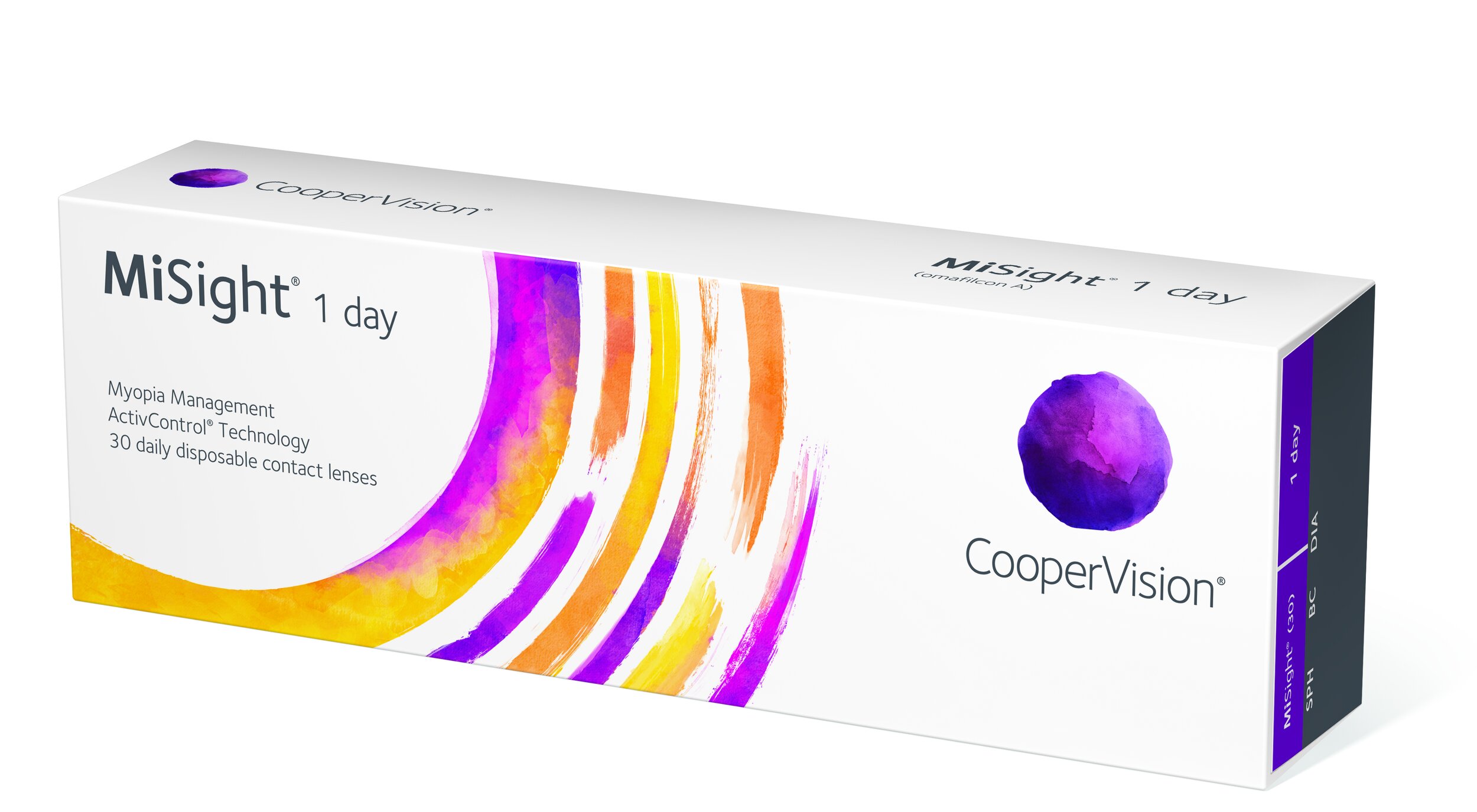
Misight
Daily disposable myopia control lenses, interchangeable with myopia control glasses.
-

Ortho K lenses
Wear these night lenses, wake up, remove them, and go glasses-free all day. Works for adults too.
-

Good eye Habits
Did you know reading a book is no better than screen time? Let little Mark share his eye habits.
Slowing Myopia Progression Helps Reduce Long-Term Eye Health Risks

Can myopia really be controlled or should we not bother ?

She is already myopic so why bother?

She can just have surgery when older so why bother?
As a mum and doctor, I say we should protect their future by acting now..
The video below would explain it even better
How to know which option is best for your child?
-

Make an appointment
I want to meet you and your child to choose the best myopia treatment.
-

Get your eyes checked
Our optometrists excel with kids.
-

We discuss which option suits you best
I assess your child's lifestyle, personality, and myopia progression to decide with you. We offer all research-backed options and are the only doctor-led OK lens practice, ensuring unbiased advice for your child.
-

Our Myopia control Expertise
Dr Cheryl Lee and optometrists specialize in myopia control.