
Smart Devices to Be Banned During School Hours: What This Means for Your Child’s Eyes
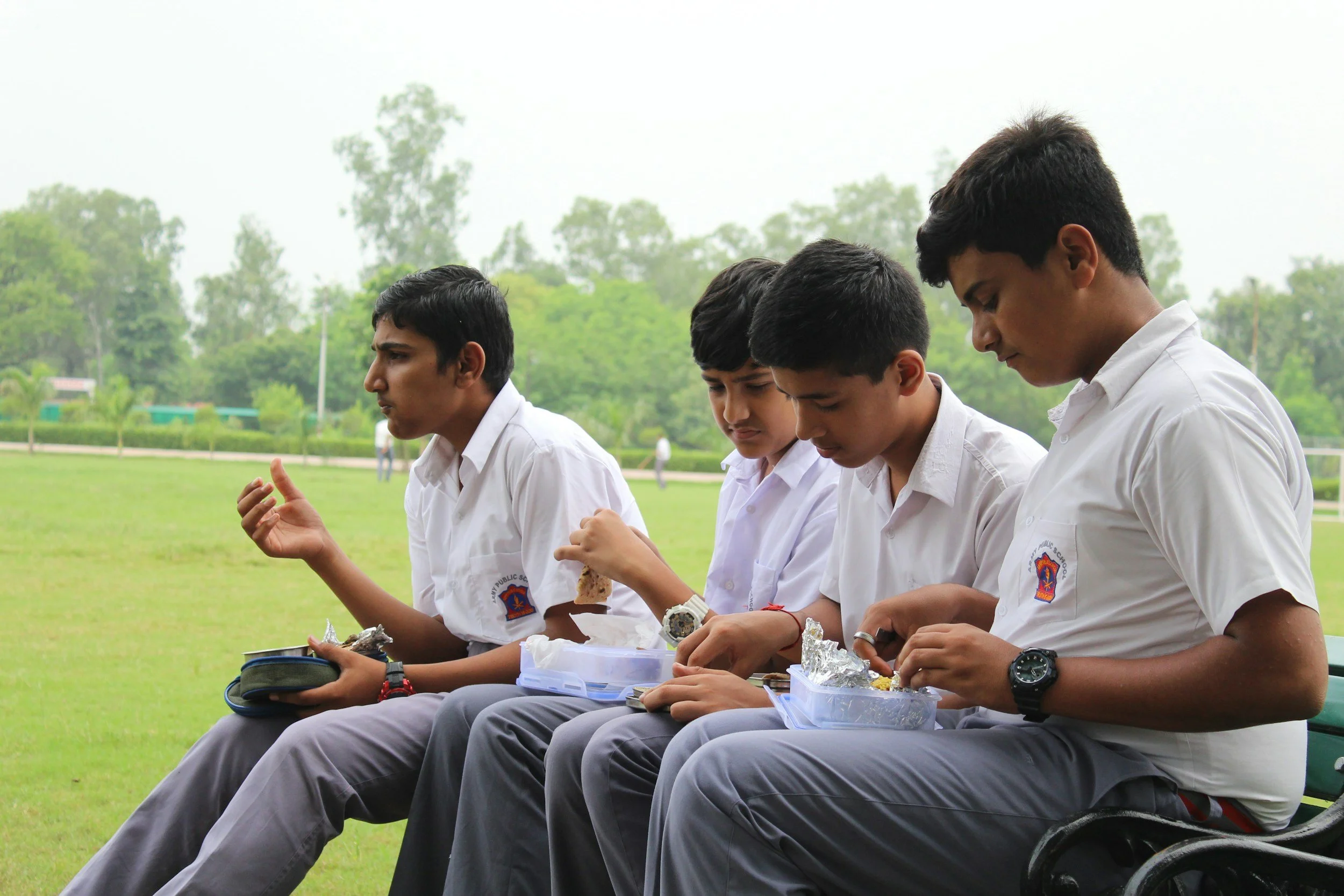
No handphones but interacting with one another in school
Starting soon, smart devices — including smartphones and smart watches — will be banned during school hours in secondary schools. This restriction applies not only during class time, but also recess, CCAs, remedial lessons, and all other school-based activities.
While the policy is primarily designed to improve students’ focus, digital well-being, and social interaction, this move also raises an important question many parents ask at The EyeClinic by Dr Cheryl Lee:
“Is reducing screen time actually good for my child’s eyes?”
Why This Policy Is a Step Forward for Eye Health
1. Less Screen Time, Lower Myopia Risk
Singapore has one of the highest childhood myopia rates in the world. Excessive near-work — especially on small screens — is a known risk factor.
By limiting device use during school hours, students naturally spend less cumulative time focusing on near objects, helping reduce eye strain and slow myopia progression.
2. Encourages Outdoor Time
With devices kept away, students may be more inclined to engage in outdoor play during breaks and CCAs. Exposure to natural light plays a crucial role in myopia prevention — just 2 hours outdoors daily can significantly reduce risk.
3. Reduces Digital Eye Strain
Smartphones encourage prolonged, uninterrupted screen viewing with short working distances. This can lead to:
Dry, irritated eyes
Blurred vision
Headaches
Fatigue
A structured school environment with minimal device use helps give the eyes important breaks.
But What About Smart Watches?
Many parents see smart watches as harmless. However, frequent wrist notifications still prompt repeated near-focus, which can contribute to eye stress. I see kids look at their watches more often than it is needed (to tell the time)
Disabling this habit during school hours supports healthier visual behaviour.
Helping Your Child Adapt to the New Rules
1. Encourage Non-Digital Hobbies
Reading physical books, drawing, sports, and board games are excellent alternatives.
2. Build Healthy Screen-Time Habits at Home
Use the 20–20–20 rule:
Every 20 minutes, look 20 feet away for 20 seconds.
3. Prioritise Outdoor Activities Daily
Cycling, walking the dog, playground time, or outdoor sports help protect the eyes — and improve mood and overall health.
4. Monitor Myopia Progression Proactively
Children’s eyesight should be checked at least once a year, or more frequently if they are already myopic. I see every chile from 4 years old and teach good eye habits to the parents. You would be surpised at what causes myopia. By the the time the child gets picked up at school with myopia, we are controlling not preventing the myopia. You can be sure my techniques work. I have an 11 year old boy with perfect eyesight.
At The EyeClinic by Dr Cheryl Lee, we also offer:
Myopia control assessments
Orthokeratology (Ortho-K)
Atropine therapy
Specialised myopia-control glasses and contact lenses
A Positive Change for Students’ Eyes and Minds
While the device ban may take some adjustment, it ultimately promotes healthier habits — both cognitively and visually. With reduced screen exposure and more opportunities for outdoor activity, the policy aligns well with long-term eye-health strategies that we advocate at The EyeClinic.
If you have concerns about your child's vision or would like personalised advice, we’re here to help.