
Do Blue Light Glasses Really Help Alleviate Dry Eyes
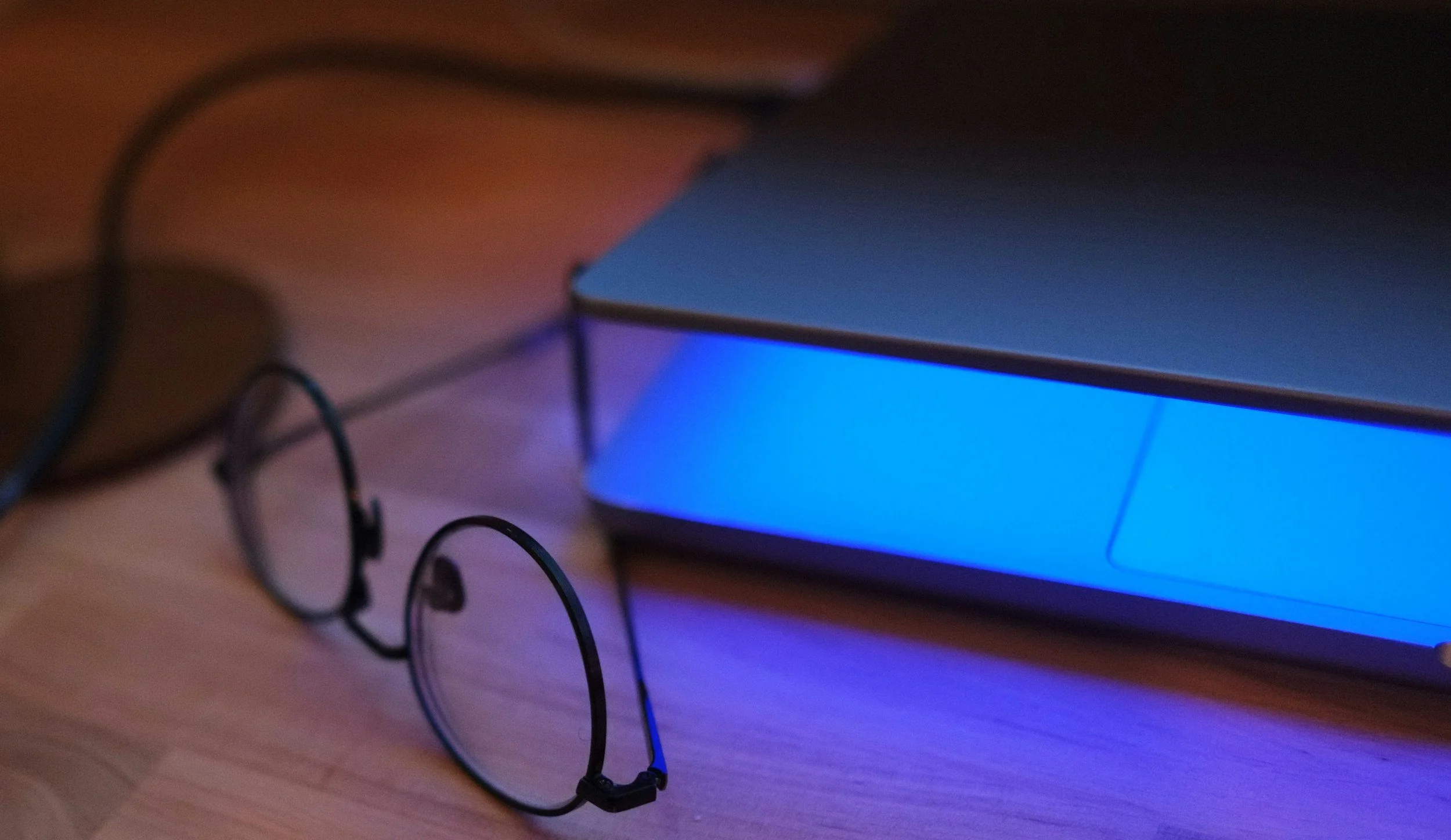
Dry eyes have become a common complaint in our screen-driven world. Many people spend hours daily in front of computers, smartphones, and tablets, often experiencing discomfort, irritation, or a gritty feeling in their eyes. Blue light glasses have gained popularity as a potential solution to reduce eye strain and improve comfort. But do these glasses actually help with dry eyes? This post explores the connection between blue light eWhat Causes Dry Eyes When Using Screens?
Dry eyes happen when your eyes do not produce enough tears or when the tears evaporate too quickly. Several factors related to screen use contribute to this:
Reduced blinking: People blink less often when staring at screens, sometimes up to 60% less. Blinking spreads tears evenly across the eye surface, so less blinking leads to dryness.
Screen glare and brightness: High brightness and glare can cause eye discomfort and strain, worsening dry eye symptoms.
Poor posture and screen distance: Sitting too close or at an awkward angle can increase eye strain.
Environmental factors: Air conditioning, heating, or dry air in the room can accelerate tear evaporation.
Understanding these causes helps clarify what role blue light glasses might play.
What Is Blue Light and Why Does It Matter?
Blue light is a high-energy visible light with short wavelengths. It is naturally present in sunlight but also emitted by digital screens, LED lights, and fluorescent bulbs. Concerns about blue light include:
Eye strain: Blue light scatters more easily than other visible light, making it harder for the eyes to focus.
Sleep disruption: Exposure to blue light in the evening can interfere with melatonin production, affecting sleep quality.
Potential retinal damage: Some studies suggest prolonged exposure might contribute to retinal stress, though evidence is not conclusive.
How Blue Light Glasses Work
Blue light glasses have lenses coated with a special filter that absorbs or reflects blue light wavelengths. The main benefits claimed are:
Reducing eye strain: By filtering blue light, these glasses may help eyes focus better and reduce fatigue.
Improving sleep: Wearing them in the evening can limit blue light exposure, supporting natural sleep cycles.
Enhancing visual comfort: Some users report less glare and clearer vision.
However, blue light glasses do not directly address tear production or evaporation, which are the primary causes of dry eyes.
Do Blue Light Glasses Help With Dry Eyes?
The key question is whether blue light glasses can relieve dry eye symptoms. Research and expert opinions suggest:
Indirect benefits: By reducing eye strain and encouraging more comfortable screen use, blue light glasses might help users blink more naturally, which can improve tear distribution.
No direct effect on tear film: Blue light filtering does not increase tear production or prevent evaporation.
Complementary approach: Blue light glasses can be part of a broader strategy to manage dry eyes, including taking breaks, adjusting screen settings, and using artificial tears.
A 2020 study published in the Journal of Optometry found that blue light blocking lenses reduced visual fatigue but did not significantly change tear film stability or dry eye symptoms.
There is another way I prefer which it to turn off the blue light on your devices. I do this on my Iphone . Try it out!
When to See an Eye Care Professional
If dry eye symptoms persist despite lifestyle changes and using blue light glasses, consult an eye care professional. They can:
Diagnose underlying conditions like meibomian gland dysfunction or allergies.
Recommend prescription treatments such as medicated eye drops or punctal plugs.
Provide personalized advice on managing screen use and eye health.
Summary
Blue light glasses can reduce eye strain and improve visual comfort during screen use, which might indirectly help with dry eyes by encouraging better blinking habits. However, they do not directly treat the causes of dry eyes such as tear deficiency or evaporation. Managing dry eyes requires a combination of good screen habits, environmental adjustments, and sometimes medical treatment.
If you experience dry eyes regularly, consider using blue light glasses as part of a broader approach. Pay attention to blinking, take breaks, and create a comfortable viewing environment. For persistent issues, seek professional advice to protect your eye health.