
Did Van Gogh's Struggles with Digoxin and His Ear Cutting Influence His Art and Eyes?
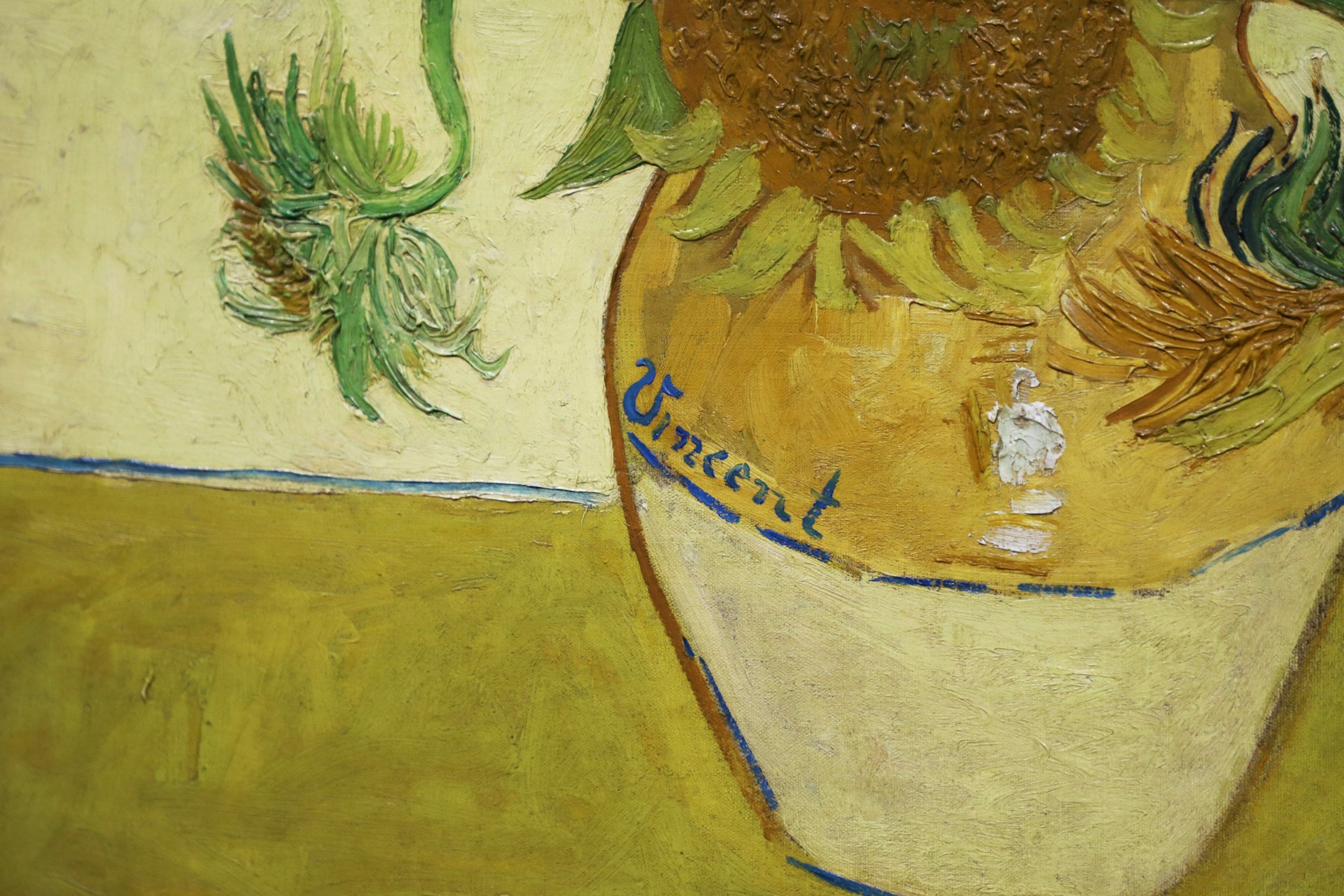
The series of art and the eyes continue as I am now reflecting on my younger days of visiting art galleries and museums when I was working in Paris as an opthalmologist . I was going through my book shelf and saw books on Impressionist art, Japanese prints and American art books by Eg Norman Rockwell which I had forgotten I had bought with the little pocket money I had as a teenager.
Vincent van Gogh is one of the most famous painters in history, known for his bold colors and emotional intensity. Yet, his life was marked by deep personal struggles, including mental health issues and physical ailments. Among these struggles, two events stand out: his use of digoxin, a heart medication, and the infamous incident where he cut off part of his ear. These events have sparked questions about whether they influenced his art and the way he depicted eyes in his paintings. This post explores the connections between Van Gogh’s health, his ear injury, and his artistic vision.
Van Gogh’s Health and Use of Digoxin
Digoxin is a medication primarily used to treat heart conditions such as atrial fibrillation and heart failure. It affects the heart’s rhythm and strength of contractions. Historical records suggest that Van Gogh may have been prescribed digoxin or similar cardiac medications during his lifetime due to his reported health problems, including episodes of fainting and weakness.
Effects of Digoxin on Vision
One of the known side effects of digoxin is its impact on vision. Patients sometimes experience blurred vision, yellow-green halos around lights, and altered color perception. These visual disturbances could have influenced Van Gogh’s perception of color and light, which are central to his style.
Color shifts: Some researchers propose that Van Gogh’s use of digoxin might explain the unusual color choices in his paintings, such as the vibrant yellows and greens.
Visual halos: The halos around lights could have inspired the glowing, swirling effects seen in works like Starry Night.
While there is no direct proof Van Gogh took digoxin, the symptoms he described align with those caused by the medication. This connection offers a plausible explanation for some of the unique visual elements in his art.
The Ear Cutting Incident and Its Impact
In late 1888, Van Gogh famously cut off part of his left ear during a mental health crisis. This act has been widely discussed as a sign of his psychological distress, but it may also have had physical and emotional consequences that influenced his work.
Physical and Psychological Effects
Pain and trauma: The injury caused intense pain and required medical attention, which could have affected his focus and mood.
Isolation: After the incident, Van Gogh became more isolated, which may have deepened his introspective and emotional approach to painting.
Symbolism of the ear: Some art historians suggest that the ear injury symbolized Van Gogh’s struggle to listen and connect with the world, themes reflected in his later works.
1. Did Van Gogh Actually Take Digoxin?
There is no confirmed historical evidence that Van Gogh was prescribed digoxin or digitalis, a medication derived from the foxglove plant. However, some researchers have suggested he might have been given digitalis as a treatment for epilepsy, a condition believed to affect him.
The Digitalis Theory
Digitalis toxicity can cause distinctive visual symptoms, including:
Xanthopsia: yellow-tinted vision
Haloes around lights
Green–yellow colour bias
Blurred or distorted vision
These effects have led some to speculate that digitalis may explain Van Gogh’s intense use of yellow and his glowing, haloed stars. But because there is no solid documentation, this remains a theory, not fact.
2. Did His Ear-Cutting Incident Affect His Eyes?
Medically, no.
Van Gogh’s tragic ear-cutting episode was a severe mental health crisis, but the external ear (pinna) has no anatomical connection to the eyeball, optic nerve, or visual pathway.
However, the episode mattered emotionally.
The turmoil surrounding that event likely reflected deeper psychiatric instability—episodes that may have shaped the tone, urgency, and emotion in his later works. But physically, his vision would not have been affected.
3. So What Did Influence His Art and Visual Style?
a) Mental Health Episodes
Periods of emotional intensity often coincided with bursts of artistic productivity. The energy and turbulence of his mind are mirrored in his brushwork and compositions.
b) Alcohol and Absinthe
Van Gogh drank heavily, and excessive absinthe consumption can cause visual disturbances such as:
heightened light sensitivity
perception changes
altered colour preference
Again, this is speculative—but plausible.
c) Epilepsy
Visual auras and post-seizure states can cause swirling or shimmering effects. Some neurologists see parallels with the flowing skies in Starry Night.
d) HIS OWN ARTISTIC INTENT
Most importantly, Van Gogh wrote passionately about choosing colours to express emotion, not literal sight.
Yellow was, to him, the colour of hope and spiritual warmth—not simply a visual symptom.
4. Did Van Gogh Have Any Eye Disease?
There is no convincing evidence that he suffered from cataracts, macular disease, glaucoma, or other eye conditions. His letters rarely mention visual complaints, and his detail and accuracy in drawing remained excellent even late in life.
Thus, the distortions in his paintings were almost certainly stylistic, emotional, and psychological, rather than the result of ocular disease.
5. What Can We Learn From Van Gogh Today?
Van Gogh’s life reminds us that vision is not only about the eye—it is also shaped by the brain, emotions, medication, health, and the world around us.
At The EyeClinic by Dr Cheryl Lee, we often see how:
mental health affects visual perception,
medications can alter what patients see, and
eye conditions influence how people experience art and light.
Van Gogh’s legacy is a powerful example of how deeply interconnected the visual system is with overall well-being.
Conclusion
Did digoxin toxicity influence Van Gogh’s art? Possibly—but we cannot be certain.
Did his ear-cutting affect his eyes? Medically, no.
Did his mental and emotional states shape his paintings? Very likely.
Van Gogh’s vision was a blend of technique, emotion, and personal struggle—reminding us that art, health, and perception are inseparable.